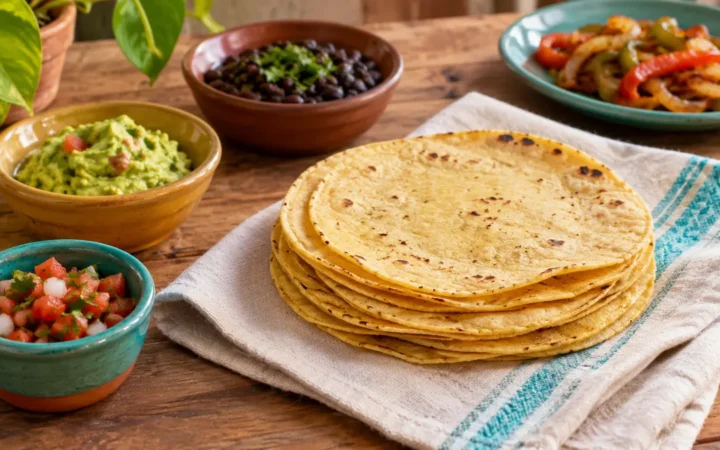
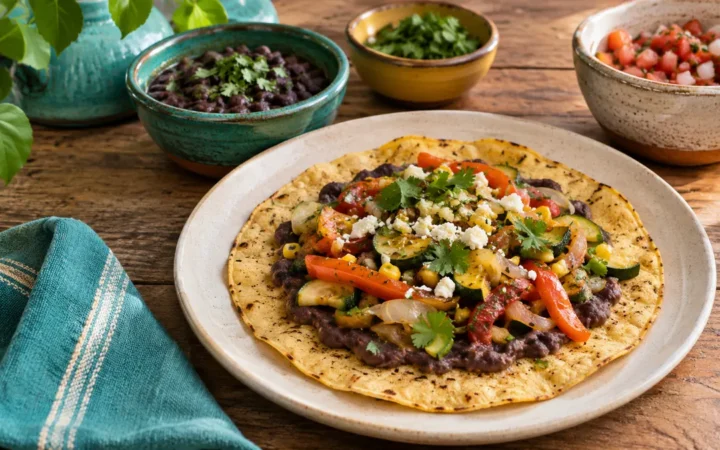
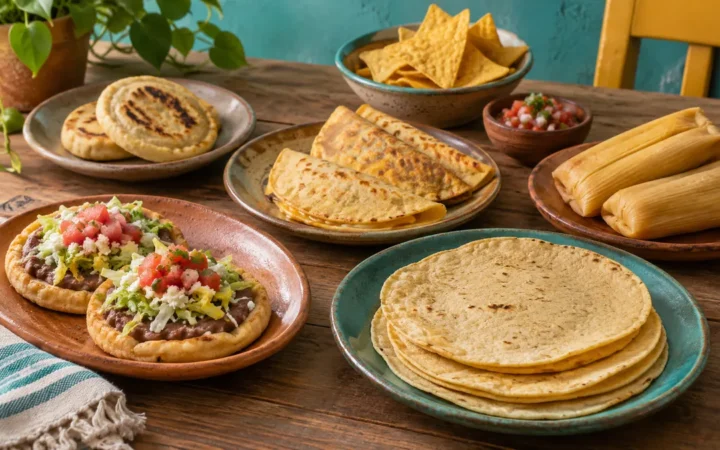
Building a taco: connect the base, filling and context
A taco brings a base and filling into one manageable portion. For home cooking, thinking about that relationship is more useful than collecting many toppings before choosing the tortilla…
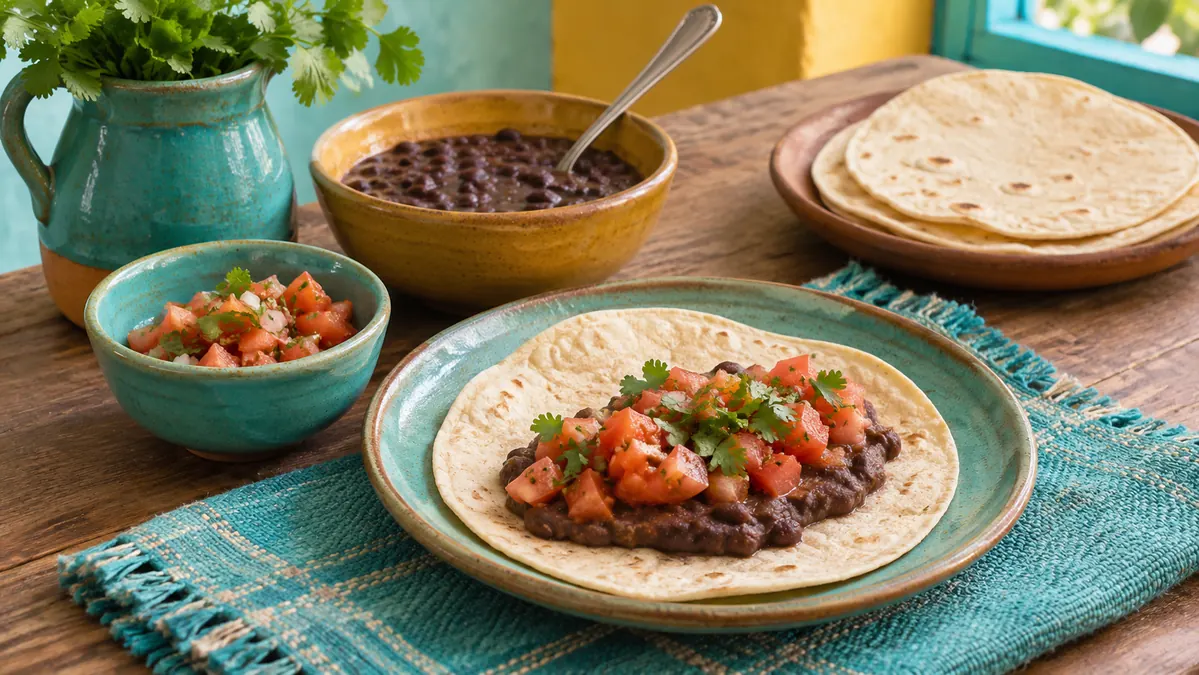
A taco brings a base and filling into one manageable portion. For home cooking, thinking about that relationship is more useful than collecting many toppings before choosing the tortilla or main ingredient.
Connect the three decisions
First identify your tortilla and its preparation instructions. Then choose a filling with a suitable texture and moisture level. Finally add toppings that support that combination: fresh tomato, onion, cilantro, lime or an optional salsa, according to the version you want to make.
The bean-taco recipe on this blog is one simple home adaptation. It does not define every regional taco or replace the context of an identified recipe.
Test the balance in one portion
Prepare a small sample. If it is difficult to fold or hold, reduce the filling and review excess liquid. If one topping dominates, adjust its amount before adding more ingredients. Taste the taco as a whole, because a salsa that seems balanced alone may behave differently with a seasoned filling.
Keep the reference attached
When adapting a named preparation, record the source, ingredients and changes. Describe your own version plainly. Mexican cultural references discuss regional cooking with distinct characteristics; a useful home-cooking note can respect that diversity without pretending every combination is a definitive traditional recipe.
Reference: Sistema de Información Cultural — Mexican and regional cuisines.
Related reading
- Masa and Mexican dishes: learn the preparation behind the name
- Mexican cuisine as cultural heritage: look beyond one dish
Cover illustration generated with AI.